


Many trades, individuals, disciplines, and expertise contribute to the success of a completed structure. Since we have been discussing air barriers (and this is Part III in our series) we are going to take a closer look at how energy standards (Part I) and building code (Part II) requirements are the responsibility of all on the construction team.
It is important to select the right air barrier for specific building needs, and working closely with the manufacturer’s technical team from start to finish is a great path to success.
Architects: No Weakest Links!
Architects and engineers are incorporating air barrier selection strategies earlier in the design process. Energy modeling of air barrier performance is important as design teams seek to predict and verify the energy impact of their choices before anything is installed.
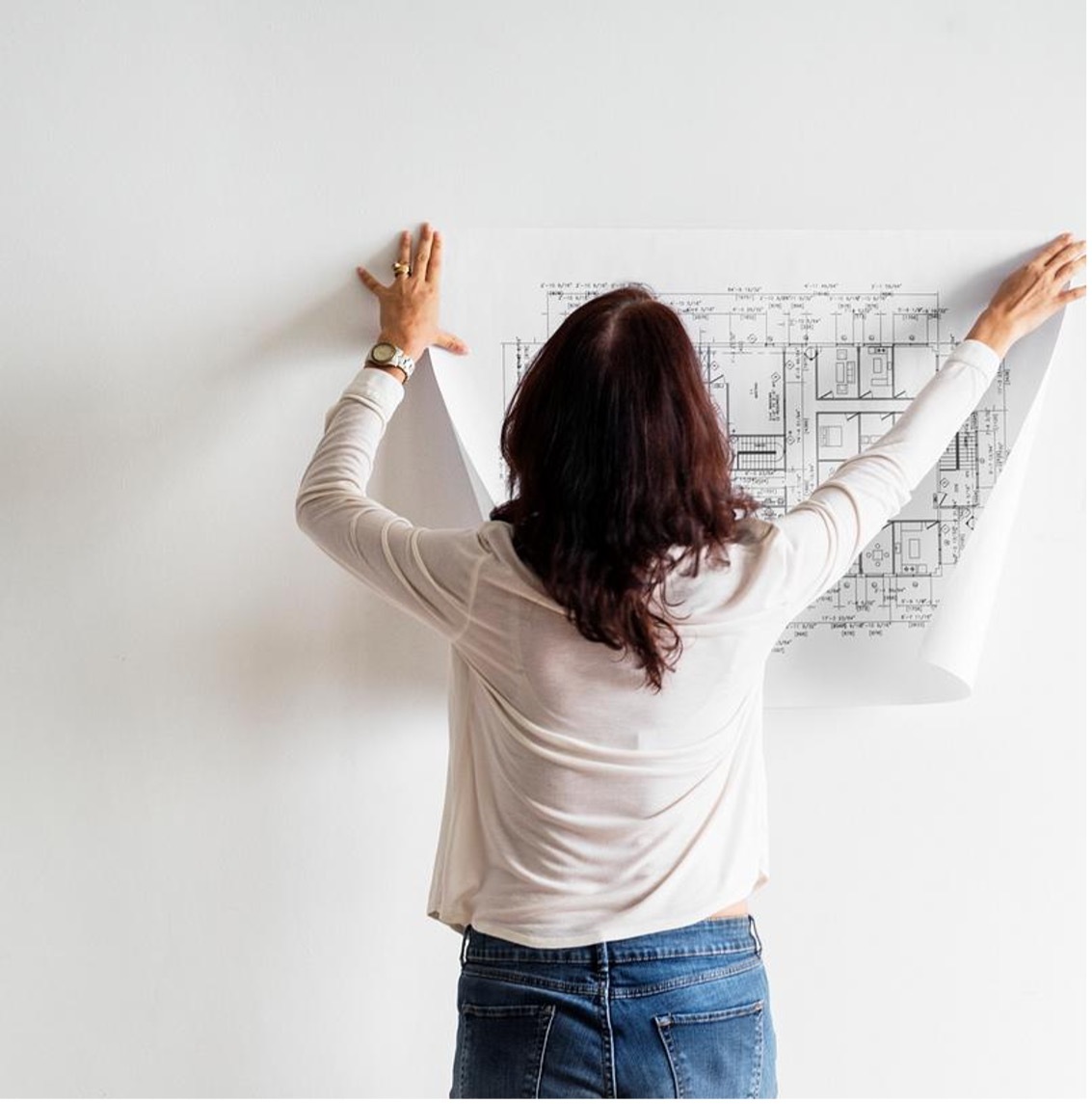
It is also the design professional’s responsibility to clearly identify all air barrier components of the enclosure and provide air barrier and air sealing details at joints, penetrations, transitions, and other interfaces, as required under IECC 2024. This means that attention must be paid to detailing transitions and other weak points, such as at the intersections of different building systems including HVAC, electrical, and structural elements. This means good communication is key to a successful project!
Installation & Quality Control
Top quality installation means the building will be highly likely to pass QA/QC testing. So that there is (hopefully!) little confusion, the Air Barrier Association of America (ABAA) conducts regular installer training in the classroom and hands-on experience to ensure excellent, certified installers. Field audits are also now common practice on commercial projects. The certification threshold, however, is deliberately high: ABAA requires that at least one certified installer be on site at all times, with ABAA field auditors verifying adherence to project specifications, manufacturer installation guidelines, and the Site Quality Assurance Program at key construction milestones.
Proper installation has become a critical quality-control measure, because even small errors or gaps can significantly diminish the air barrier's effectiveness and lead to air leaks. Additionally, once the cladding goes on, the opportunity to fix problems largely disappears. Because the air barrier assembly is often a non-maintainable component of the building enclosure, verification through testing is essential.
Manufacturing and Technical Expertise
The product side of the industry has responded to stricter code requirements with genuine innovation. Fluid-applied membranes can be spray or roll applied to achieve a uniform, continuous layer, and they can potentially act as both a water-resistive barrier and an air barrier when applied over sheathing. These types of barriers are widely available, seal continuously around rough areas and openings, and offer relatively quick installation times. This makes them particularly well suited for complex geometries and transitions where sheet-applied systems are more difficult to execute without gaps.
Specifying and installing air and water-resistive barrier membranes and accessories from a single manufacturer can improve continuity between materials and assemblies, limit supply chain issues, and allow for single-source warranties. Across the board, manufacturers are responding to code changes by developing products that exceed minimum thresholds.
Testing & Verification
Third-party air leakage testing has moved firmly into the mainstream of commercial construction, and it is increasingly required as a condition of project closeout rather than an optional quality check. Common tests include water penetration resistance, air penetration resistance, and Whole Building Airtightness Testing (WBAT) — with construction and functional performance testing providing proof of performance that the air barrier system is effective.
For more guidance on testing and standards, please review Part II of our blog series!
Impact for Building Owners & Developers: What They Need to Know
The business case for investing in robust air barrier systems is well documented. NIST research using simulation software predicted annual heating and cooling energy cost savings as high as 37 percent from improved airtightness. Results also showed savings as high as 33 to 37 percent in colder northern climates and meaningful savings of 9 to 16 percent even in warmer southern cities like Miami and Phoenix.

Plus, the benefits extend well beyond energy bills. Air barriers contribute to indoor air quality, moisture control, the longevity of building materials, and can help with sound isolation.
Airtight buildings also allow HVAC systems to be sized more accurately, reducing equipment costs and ongoing maintenance burdens while improving occupant comfort — all of which contribute to performance metrics under LEED, Green Globes, Passive House, and similar certification frameworks.
Buildings are responsible for 40 percent of total energy use in the United States, including 75 percent of all electricity use and 35 percent of the nation's carbon emissions, according to a Walls & Ceilings article.
And so…
Air barriers help contribute to more efficient and healthier buildings. All trades work together in order to ensure the safety and longevity of the building – and this starts with the product manufacturer, who has the job of conveying accurate technical information, training, proper installation guidelines, and a quality product that meets energy standards and stands the test of time.
Sources: Air Barrier Association of America (ABAA); International Energy Conservation Code (IECC) 2024; ASHRAE 90.1; National Institute of Standards and Technology (NIST); National Renewable Energy Laboratory (NREL); U.S. Department of Energy;; Whole Building Design Guide (WBDG/National Institute of Building Sciences); BNP Media Continuing Education Center; Ohio Facilities Construction Commission. https://www.wconline.com/articles/97975-how-modern-building-envelope-materials-support-new-code-requirements